
How to choose home inspection software
A practical way to compare home inspection software: start with your own workflow, test the report and the field app on a real house, and check what it costs as you grow.
iSpector
Nov 3, 2026Inspector guides
Practical ideas for reporting, clients and the day-to-day work of running an inspection business.
A practical way to compare home inspection software: start with your own workflow, test the report and the field app on a real house, and check what it costs as you grow.
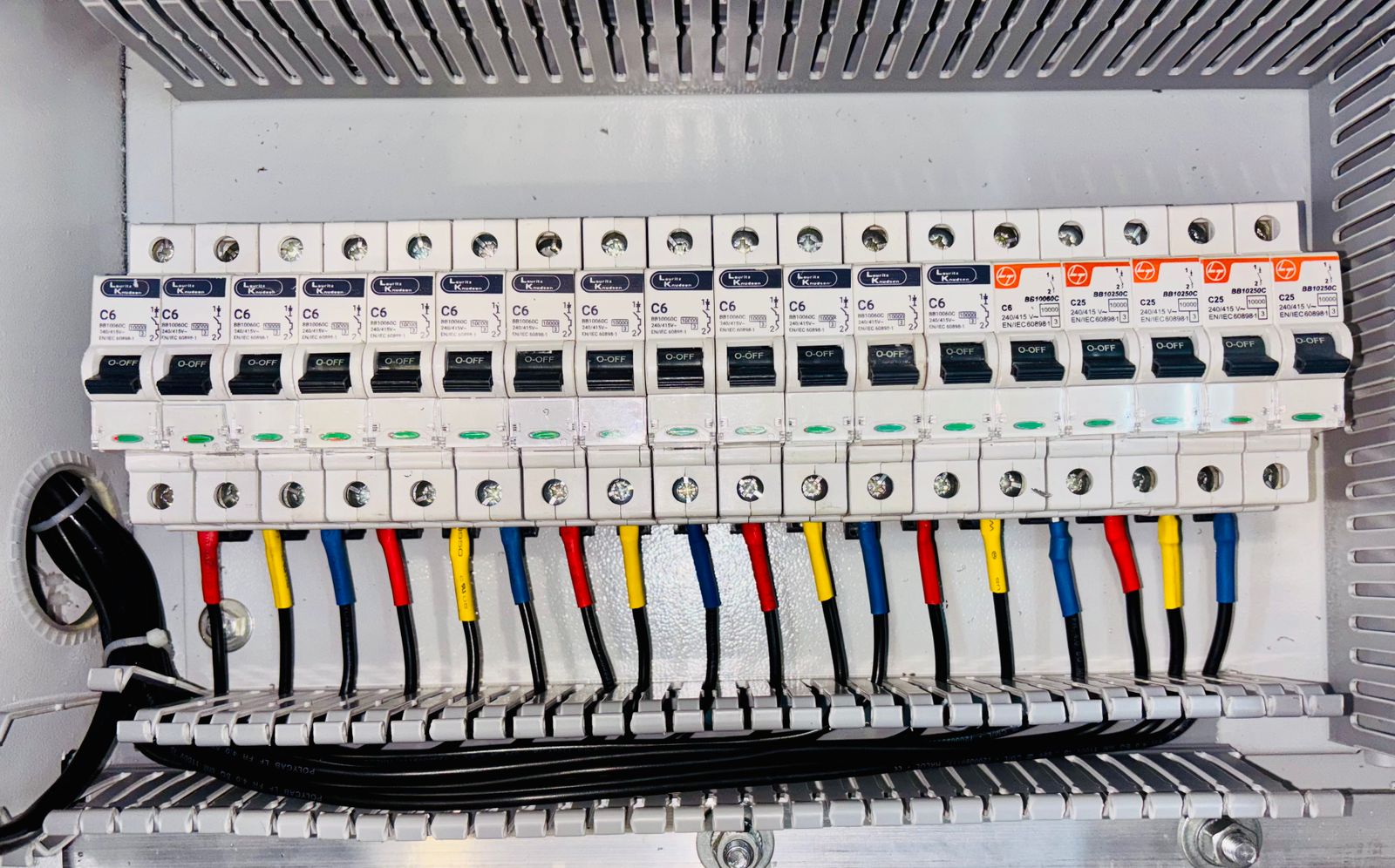
What home inspectors look for at the service entrance and electrical panel, how to remove the cover safely, and how to report findings without diagnosing beyond your scope.

A practical process for sending the pre-inspection agreement at booking, following up, handling agent bookings and deciding what to do when it still isn't signed.

Agents refer the inspectors who make their week easier: easy to book, on time, clear reports and calm communication. Here is how to become that inspector without compromising your duty to the client.

How to write report comments in plain language: what to say, what to leave out, and how to build a comment library that stays accurate.

Most scheduling ping-pong comes from asking for information one piece at a time. Collect everything in one step, offer real arrival windows, and confirm in writing.

The marketing that works for home inspectors is mostly unglamorous: a findable local presence, steady reviews, agents who trust you, and an easy way to book. Here are the ideas worth your time, and the ones to skip.

There is no single right number. Work it out from your own on-site time, drive time and report time, then decide what pace you can sustain with quality.

The path into home inspection: check your state's rules, complete training, pass the required exam, get insured, and build field experience before you inspect on your own.

Work out a price from your real costs, the hours each inspection takes and what your market will pay, then adjust for the size and condition of the home.

A buyer's guide to reading a home inspection report: where to start, what the severity labels mean, which findings matter most, and how to turn the report into decisions.

A step-by-step method for turning field notes and photos into a home inspection report a client can read, trust and act on.

The clauses most home inspectors put in a pre-inspection agreement, why each one is there, and what to have an attorney review before you rely on it.
What a real estate radon test involves, what to check about licensing in your state, how to choose devices, and how to schedule, price and report the add-on.

A practical roof checklist for home inspectors: how to choose an inspection method, what to look at on each roof covering, flashing and drainage, and how to report what you saw and what you could not see.

A sewer scope finds problems a home inspection can't see. Here is how to decide whether it pays in your market, what the service covers, and how to report it.
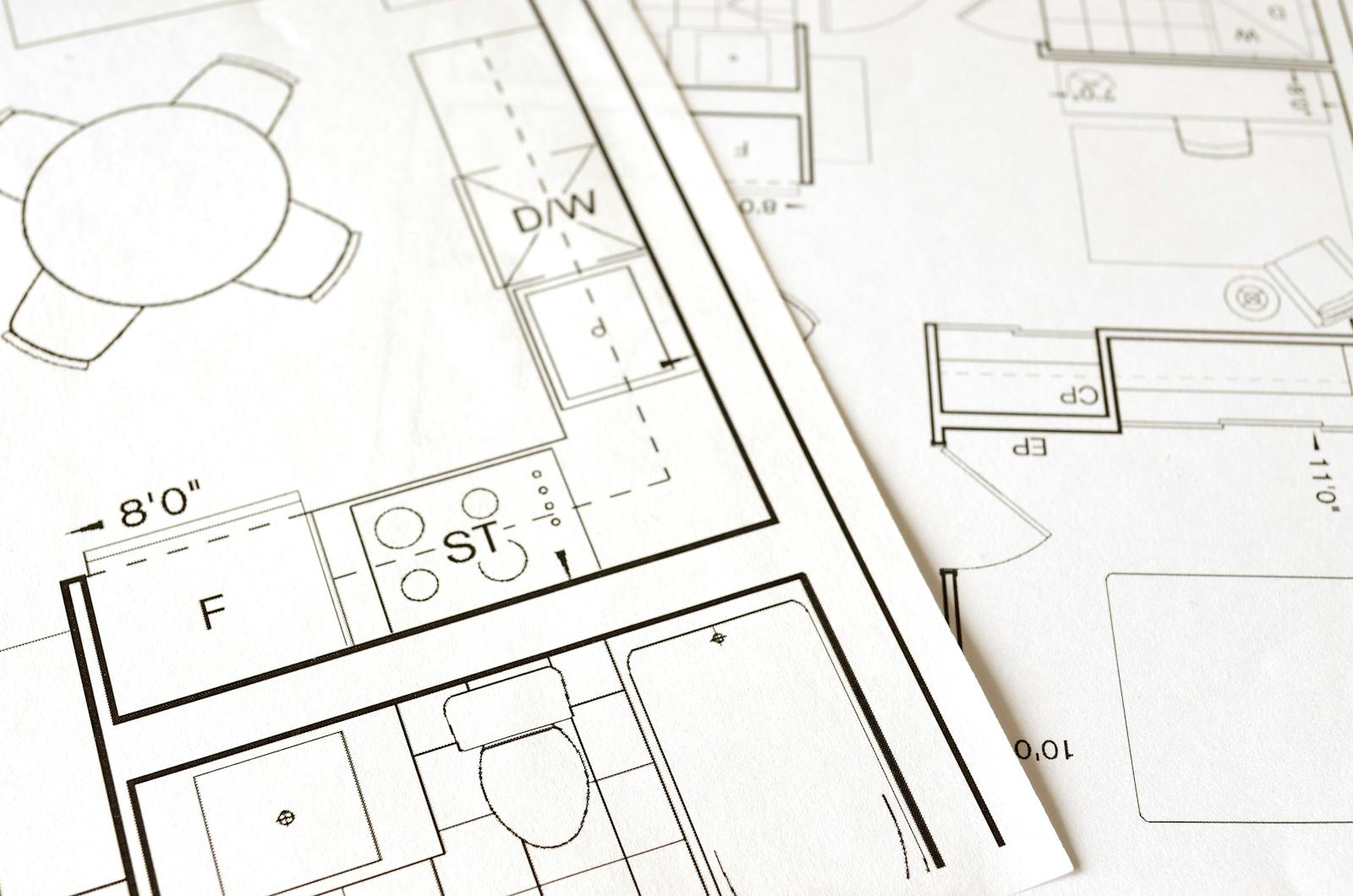
Set a base price for a standard home, then add predictable adjustments for size bands, the age of the home and the type of foundation, so every quote follows the time the inspection really takes.

A practical order of operations for launching an inspection company: license, structure, insurance, agreement, pricing, tools and your first clients.

How to move your clients, agents, past inspections, invoices and payments to new inspection software, keep your old reports accessible, and cut over without double messages.

A step-by-step look at a home inspection for buyers and sellers: what happens before, during and after the visit, what the inspector checks, and what is outside the scope.

A practical approach to organizing observations, photos and recommendations into a report that helps clients understand the home.

Keep payment and agreement steps clear for clients, with an invoice and a report release process that follow the inspection.

Bring the address, inspection services, property details and reporting tools together before you head to the first home.