Pricing by square footage, age and foundation type
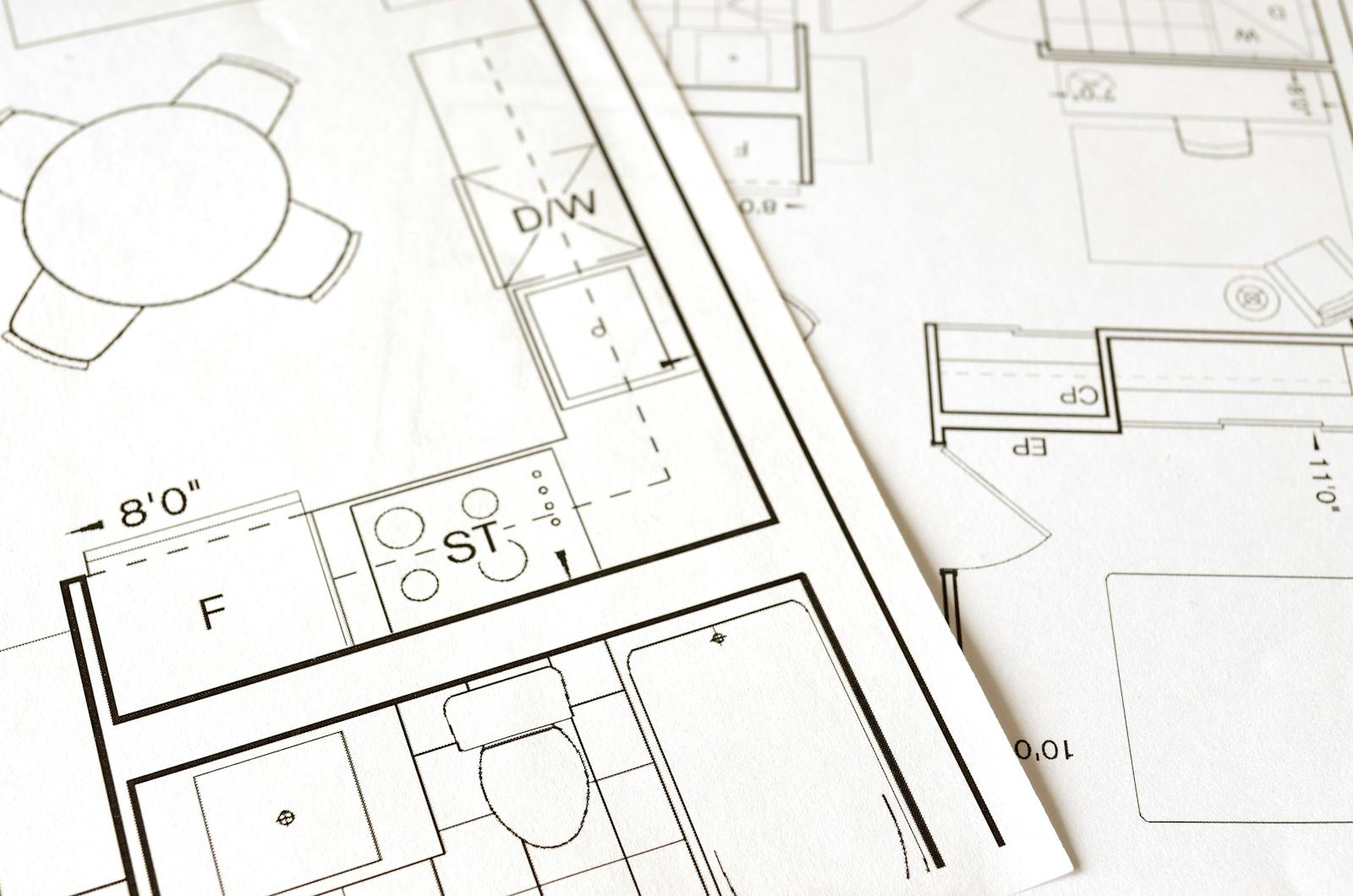
The most reliable way to price home inspections by square footage, age and foundation type is to set one base price for a standard home, then add fixed adjustments for each factor that makes an inspection take longer: size in bands, an older year built, and a crawl space or other harder foundation. Each adjustment should reflect the extra time and risk it adds, which you can measure from your own inspections. The result is a price list that clients and agents can predict and that you don't have to rethink for every call.
This post shows how to build that structure. The dollar figures are placeholders; work out your own from your costs and the time each factor adds.
Why price by size, age and foundation at all?
A flat price is easy to explain, but it means your small, simple inspections subsidize your large, complicated ones. If a 4,000 sq ft home built in 1925 with a crawl space takes twice as long as a 1,500 sq ft home built in 2015 on a slab, a single price either overcharges the second client or underpays you for the first.
Pricing by the home's characteristics fixes that. It also gives you an honest answer when someone asks why their quote is higher: the house will take longer.
The trade-off is complexity. Every factor you add is something the client or agent has to supply and something that can be wrong. Keep the structure as simple as your time data allows.
What should the base price cover?
Define a standard home for your market, the kind you inspect most often, and price it using the method in how to price home inspections. For example, your standard might be a home up to 2,000 sq ft, built in the last 30 years, on a slab or full basement.
Write that definition down. Every adjustment is measured against it.
How do square footage bands work?
Bands are easier to quote and explain than a per-square-foot rate. They also avoid odd prices that change by a few dollars for a few feet.
A typical structure looks like this:
| Square footage | Adjustment to base |
|---|---|
| Up to 2,000 | Base price |
| 2,001 to 3,000 | + band 1 |
| 3,001 to 4,000 | + band 2 |
| 4,001 to 5,000 | + band 3 |
| Over 5,000 | Quote individually, or + a set amount per extra 500 sq ft |
To set each band, look at how long inspections in that range took you on site and in the report. If homes from 2,001 to 3,000 sq ft take about an hour longer on average, the band should cover an hour at your hourly rate.
Which square footage do you use?
Decide and say so. Listing data, tax records and appraisals often disagree, and some include finished basements while others don't. A common approach is:
- Use the listed living area provided at booking.
- State whether a finished or unfinished basement counts.
- Reserve the right to adjust if the home is materially larger than stated.
Example wording for your booking page:
Prices are based on the listed living area, including finished basement space. If the home is more than 10% larger than the size given at booking, we'll let you know the adjusted price before the inspection.
Pick your own threshold; the point is to set it in advance so the conversation is not awkward on site.
How should the age of the home affect price?
Older homes usually take longer. There are more layers of past work to look at, more mixed materials, and more conditions worth explaining in the report. The post on inspecting older homes gives a sense of what turns up by era.
Use a small number of age bands rather than a year-by-year scale:
| Year built | Adjustment |
|---|---|
| Within the last 30 years | None |
| 30 to 60 years old | + age 1 |
| More than 60 years old | + age 2 |
Some inspectors also treat new construction differently, especially if they offer phase inspections. Keep that as its own service rather than an age adjustment.
Should age be a dollar amount or a percentage?
Either works. A fixed amount is simpler and doesn't grow with size, which matches the reality that an old small house and an old large house both need extra attention to similar systems. A percentage scales with the rest of the price, which may suit you if older homes in your market also tend to be larger. Test both against your last few months of inspections and see which tracks your time better.
Why do foundation types change the price?
Foundations change how much of the home you can see and how hard it is to get there.
- Slab on grade: usually the quickest, though you'll see less of the structure.
- Full basement: often moderate; you may be able to observe framing, plumbing and the foundation walls directly.
- Crawl space: often slower and more physically demanding, with safety precautions and protective gear. See crawl space inspection: safety and common findings.
- Pier and beam or mixed foundations: can vary a lot; some homes combine a basement with a crawl space addition.
A common structure is to price slab and basement at the base and add a set amount for a crawl space or a combination. Measure your own time before deciding.
What if the client doesn't know the foundation type?
Many won't. Ask the agent, check the listing, or offer an "I'm not sure" option that prices at the most common type for the area and lets you adjust before the inspection. Be clear that you will confirm the price before arriving, not after.
How do the adjustments combine?
Add them up from the base. Here is a hypothetical example to show the arithmetic:
- Base price for a standard home: $B
- Home is 2,600 sq ft: + band 1
- Built 1972 (more than 30 years old): + age 1
- Crawl space: + crawl space adjustment
- Total: $B + band 1 + age 1 + crawl space
Show that breakdown to the client on the quote or booking page. A visible breakdown is easier to accept than a single unexplained number, and it answers "why is mine more?" before anyone asks.
What other factors are worth pricing?
Size, age and foundation cover most of the difference between homes, but you may also want to account for:
- Number of units: duplexes and small multifamily buildings, priced per unit or as a separate service
- Detached structures: garages, guest houses, outbuildings
- Distance: handled with a travel fee or zones; see should home inspectors charge travel fees?
- Vacant or winterized homes: extra time if utilities are off and must be confirmed before the visit
Resist adding a surcharge for everything. Each one is another question at booking and another chance for the client to feel nickel-and-dimed. If a factor rarely changes your time, leave it in the base.
Common mistakes with this kind of pricing
- Too many bands. Five size bands and three age bands make 15 combinations before foundations. Clients and agents can't remember it, and neither can you.
- Pricing on guesses. Set adjustments from timed inspections, not from what feels right.
- Hiding the structure. If the price depends on the home, show how. Surprise adjustments damage trust with agents.
- Never revisiting it. If you get faster on crawl spaces or your market's housing stock changes, the adjustments should change too.
A setup checklist
- Standard home defined in writing
- Base price calculated from your costs and hours
- Size bands set from timed inspections
- Rule for which square footage counts, published at booking
- Two or three age bands
- Foundation adjustments for crawl spaces and combinations
- A clear process for confirming the price when details are unknown
- Breakdown shown on the quote or booking page
If you take bookings online, configure these rules once so the price is worked out the same way every time. iSpector's online booking keeps service pricing and add-ons with the appointment, and the invoice lines come from the inspection's services.
Key takeaways
- Start from one base price for a clearly defined standard home.
- Add a small number of fixed adjustments for size bands, year built and foundation type.
- Set each adjustment from the extra time it really adds, measured on your own inspections.
- Say which square footage counts and how you handle unknown details before the inspection.
- Show clients the breakdown so a higher price is easy to understand.