Adding radon testing to your inspection business
To add radon testing, first find out what your state requires of radon testers, then choose a test method that follows EPA's real estate guidance (at least 48 hours, with steps to prevent or detect interference), and build a second visit into your schedule to retrieve the device. Price it from your real costs: device or lab fees, calibration, the extra trip and the reporting time. Report the result against EPA's action level of 4 pCi/L and refer anything at or above it to a qualified mitigation professional.
The rest of this post walks through each of those steps in the order you will meet them.
What does a radon test in a real estate transaction involve?
EPA's Home Buyer's and Seller's Guide to Radon (revised March 2024) is the reference most inspectors work from. Its key points for a transaction test:
- Every radon test should run for a minimum of 48 hours. Some devices need longer.
- For short-term tests lasting less than four days, windows and outside doors should be closed at least 12 hours before the test starts and kept closed during it, except for normal entry and exit.
- Short tests should not run during severe storms or periods of high winds.
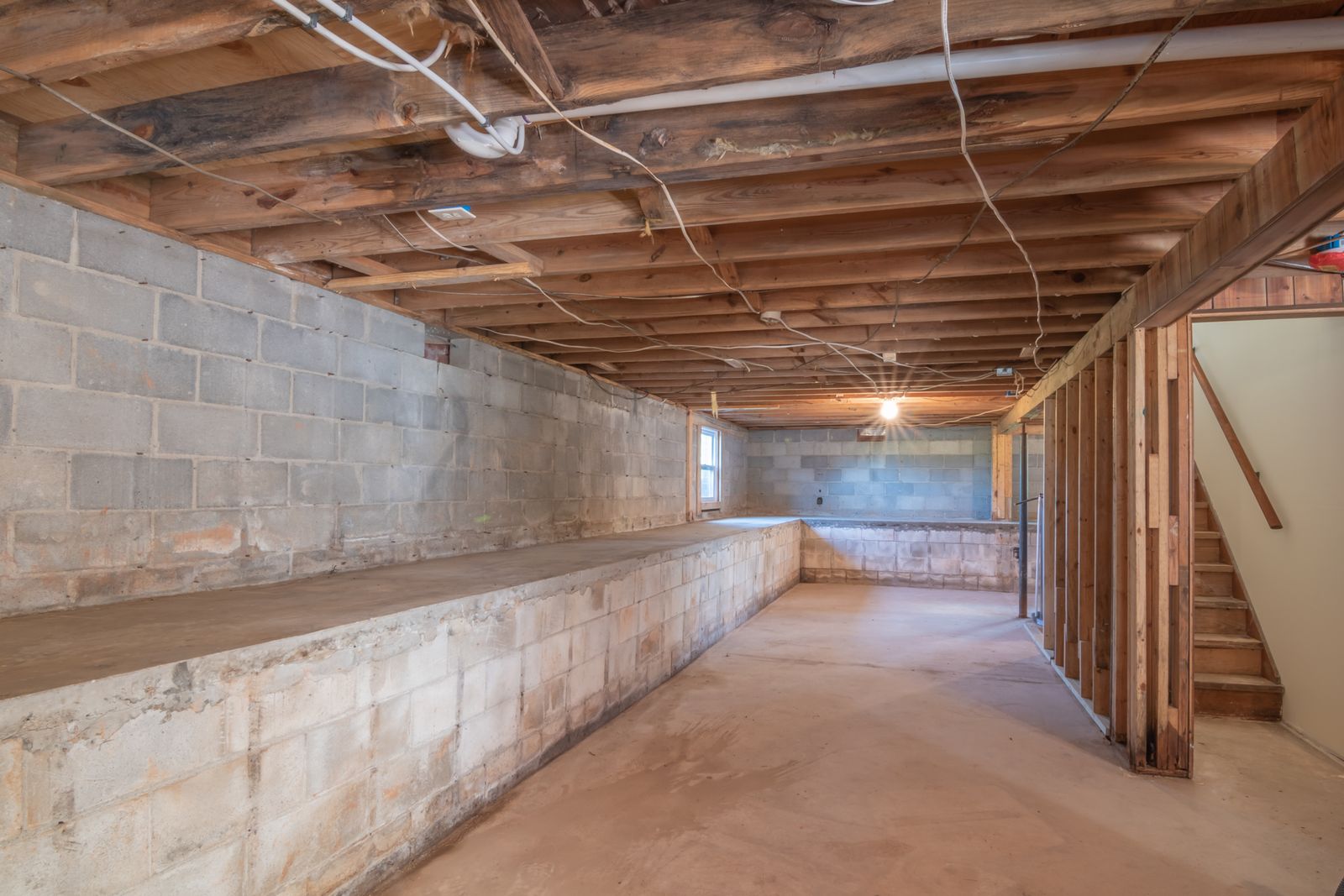
- The device goes in the lowest level of the home that could be used regularly, at least 20 inches above the floor, away from drafts, high heat, high humidity and exterior walls.
- Any real estate test should include steps to prevent or detect interference.
The three short-term options EPA accepts
| Option | How it works | What decides the result |
|---|---|---|
| Passive, simultaneous | Two passive devices side by side for at least 48 hours | Average of the two |
| Passive, sequential | One passive test for at least 48 hours, then an identical device in the same place right after | Average of the two |
| Active | A continuous monitor for at least 48 hours | Average radon level over the test |
EPA notes the trade-off: two tests at the same time improve precision, while two tests in sequence are more likely to represent the seasonal average. In practice, sequential testing rarely fits a transaction timeline, so most inspectors choose simultaneous passive devices or a continuous monitor.
Interference is part of the service
A seller who wants a low number has opportunity. EPA lists ways to prevent or detect interference, including devices that record levels frequently (to show unusual swings), motion detectors, temperature and barometric pressure logging, tamper-proof seals on windows, and a non-interference agreement signed by the seller or occupant. Decide which of these you will use before you sell the first test, and write them into your process.
Do you need a license or certification to test for radon?
It depends on your state. EPA's guide says many states require radon professionals to be licensed, certified or registered, and tells readers to contact their state radon office. Some states have no radon program at all, and in those, buyers are told to ask whether the tester holds a privately run proficiency credential.
One example of a state that licenses radon testing: Illinois requires anyone providing radon measurement services to be licensed by the Illinois Emergency Management Agency and Office of Homeland Security, including passing a state-approved measurement exam (IEMA-OHS: Applying for a license). Don't assume your state works the same way.
Before you buy equipment:
- Contact your state radon office and ask what a person who tests homes for a fee needs to hold.
- Ask whether your state requires a specific device type, protocol, or reporting form.
- Check whether the state publishes a list of approved laboratories for passive devices.
- Call your insurer. Some errors and omissions policies treat radon as a separate exposure or exclude it unless it is listed.
If your state has no requirement, a private proficiency credential still helps you sell the service and gives you a protocol to follow.
Continuous monitor or passive devices?
Both are acceptable to EPA. The choice is about your business, not about which is "better".
| Factor | Continuous radon monitor | Passive devices (charcoal and similar) |
|---|---|---|
| Upfront cost | Higher: you buy the monitors | Low: you buy devices as you need them |
| Cost per test | Low after purchase, plus periodic calibration | Device and lab fee every time |
| Result timing | At pickup | After the lab returns it |
| Interference detection | Hourly data, often with motion and environmental sensors | Limited; relies on seals and agreements |
| Shipping risk | None | Devices can be delayed or exposed in transit |
| Capacity | Limited by how many monitors you own | Limited only by stock |
A common path is to start with passive devices while you learn how much demand there is, then buy monitors once volume justifies them. Keep in mind that every monitor out on a test is a monitor you can't sell that day, so your monitor count caps how many radon tests you can run at once.
How do you fit radon into your schedule?
Radon adds a second visit, and that is where most of the cost hides.
- Drop-off: set the device at the start of the home inspection so the 48 hours begin as early as possible.
- Pickup: book it when you book the inspection, not afterward. Think about the client's inspection contingency period: a result that arrives after the deadline is far less useful.
- Occupant notice: send the seller or occupant a short letter explaining closed-house conditions before the test starts. If the home has to be closed 12 hours before you arrive, the notice needs to reach them a day or more ahead.
- Route planning: group pickups with other inspections in the same area where you can.
A sample occupant notice:
A radon test will be placed in this home on Tuesday morning and collected on Thursday morning. Please keep all windows and outside doors closed, except for normal entry and exit, from Monday evening until the test is collected. Please don't move or unplug the device. Heating and air conditioning can run as normal.
If the home is vacant, check that utilities are on and that you can get back in for pickup.
How should you price a radon test?
Prices vary by market, and published price lists go stale quickly, so work it out from your own numbers rather than copying a neighbor:
- Per-test equipment cost: for passive devices, the device plus the lab fee and shipping. For monitors, the purchase price spread over the tests you expect in its service life, plus annual calibration.
- Second trip: drive time and mileage for the pickup. This is often the biggest cost.
- Report time: reading the data, writing the result, answering the follow-up call.
- Licensing and training: spread across the tests you expect in a year.
- Insurance: any added premium for radon coverage.
Add those up, then add the margin you need. If the number is higher than what clients in your market pay, look at the second-trip cost first. A pickup that fits a route is far cheaper than a dedicated drive. For more on grouping services, see bundling inspection services.
How do you report radon results?
Keep the report factual and point to EPA's guidance. Include:
- The device type, serial number, and calibration or lab information
- Start and end date and time, and test location in the home
- Conditions observed at setup and pickup, including anything that may affect the result
- The result (the average for two devices or a monitor), in pCi/L
- Any signs of interference, or a statement that none were observed
When describing what the number means, stay with EPA's position: EPA recommends fixing the home at 4 pCi/L or more, and its guide says levels below that still pose some risk and can often be reduced. Don't describe health outcomes for this home or these people. That is outside an inspector's scope.
Sample wording for an elevated result:
The average radon level measured during this test was at or above the EPA action level of 4 pCi/L. EPA recommends reducing radon levels in homes at or above this level. We recommend consulting a qualified radon mitigation professional for evaluation and, if needed, a mitigation system, followed by a retest.
Sample wording for a result below the action level:
The average radon level measured during this test was below the EPA action level of 4 pCi/L. Radon levels change with season and conditions, and EPA notes that no level is risk-free. Retesting in the future, or after major renovations, may be worthwhile.
Write radon into your agreement as a separate service with its own limitations: a short-term test measures a short period, results depend on occupants following closed-house conditions, and you are not a mitigation contractor. See agreement addenda for add-on services for how to structure that.
How do you offer radon to clients?
Clients who have never heard of radon need a sentence, not a lecture. On your booking page and in your confirmation emails, something like this works:
Radon is a radioactive gas from the ground that you can't see or smell. EPA recommends testing when buying a home. Add a radon test and we'll place a monitor during your inspection and collect it two days later.
Agents in areas where radon is common will often recommend it on their own. Make it easy for them to say yes by listing the service, the timeline and the price clearly.
How iSpector helps
In iSpector scheduling, a radon test can be booked as an add-on to the main inspection, online or by your office, and the inspection's services carry through to the invoice. Agreements and service addenda stay attached to the appointment in agreements and invoices.
Key takeaways
- Follow EPA's real estate guidance: at least 48 hours, closed-house conditions, and steps to prevent or detect interference.
- Check your state radon office before you start. Requirements range from none to full licensing.
- Choose monitors or passive devices based on volume, turnaround and interference detection.
- The pickup trip is the hidden cost. Book it with the inspection and price it in.
- Report the measured result against EPA's 4 pCi/L action level and refer mitigation to a qualified professional.